
Healthy feet this summer: Key messages to share with clients
Summer often means more time outdoors, increased physical activity, and greater exposure to environments that can put feet at risk. For people living with diabetes, seasonal activities such as walking barefoot, spending time at the beach, or wearing open footwear can increase the risk of injury and foot-related complications. As a healthcare professional, you can help clients stay active and enjoy the warmer months by reinforcing practical foot care strategies.
Use summer as an opportunity to discuss foot health
During routine consultations, encourage clients to consider how seasonal changes may affect their foot health. Remind them that diabetes can affect both circulation and nerve function, increasing the risk of unnoticed injuries and delayed healing. Reiterating the importance of daily foot care and regular foot assessments can help reduce the risk of complications.
Summer can also be a useful time to challenge common misconceptions. Some clients may assume that if their feet don’t hurt, there is no problem, or that going barefoot at home, around the pool, or on the beach is harmless. Explaining that reduced sensation can make injuries difficult to detect may help reinforce the importance of regular foot checks and protective footwear.
Key messages to share with clients
Encourage clients to:
- Check their feet every day for cuts, blisters, redness, swelling, or other changes.
- Wear well-fitting, protective footwear indoors and outdoors, even around the home if they are at increased risk of foot problems.
- Avoid walking barefoot on hot sand, concrete, pool surrounds, grass, or other surfaces that may cause burns or injury.
- Check the inside of their shoes before putting them on, particularly if they have reduced sensation.
- Wash and dry their feet thoroughly each day, especially between the toes.
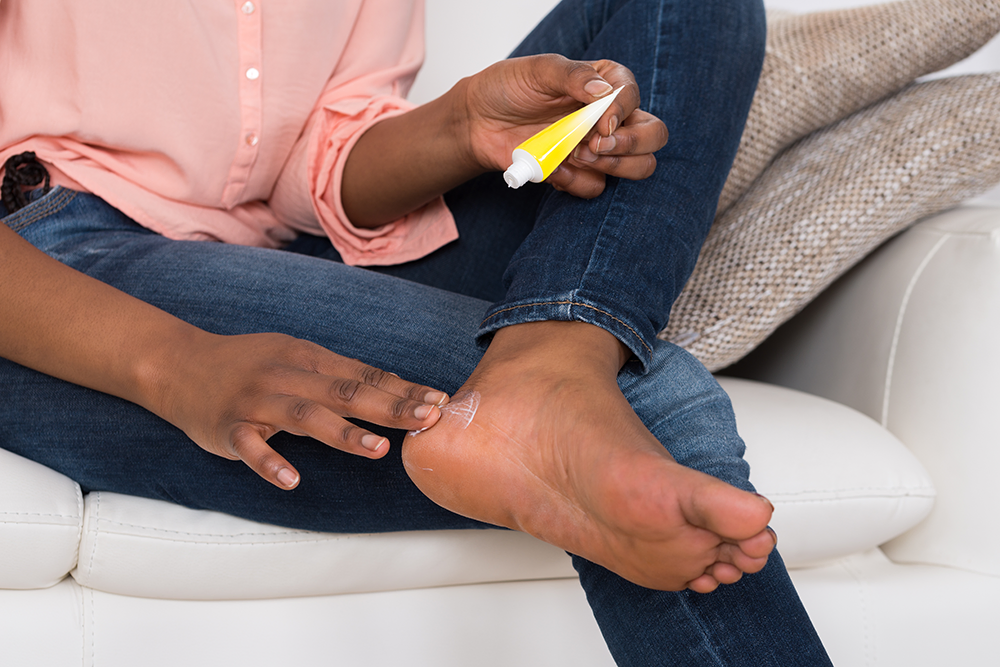
- Use moisturiser on dry skin while avoiding the areas between the toes.
- Wear comfortable, breathable socks and change them if their feet become sweaty during hot weather.
- Seek prompt advice if they notice any cuts, blisters, wounds, or signs of infection, no matter how minor they may appear.
Discuss common summer hazards
Summer brings some unique risks for foot health. Hot sand, footpaths, concrete and pool surrounds can cause burns, while walking barefoot can increase the risk of cuts, splinters and other injuries. Garden-related injuries are also common during the warmer months, particularly when appropriate footwear is not worn. Increased sweating may contribute to fungal infections. Clients with peripheral neuropathy may not immediately notice these issues, making prevention and regular self-checks particularly important.
Reinforce safe beach, pool and gardening practices
When discussing holiday plans or outdoor activities, remind clients to wear protective footwear such as sandals, thongs, reef shoes or water shoes around pools and beaches. Encourage them to dry their feet thoroughly after swimming and check for any signs of injury or irritation after spending time outdoors. For clients who enjoy gardening, recommend sturdy, enclosed footwear and caution against working barefoot, even on grass.
Don’t forget annual foot assessments
Summer can be a timely reminder to ask clients whether they have had their annual diabetes foot assessment. These assessments help identify changes in circulation, sensation, skin integrity and foot structure, allowing potential problems to be identified and managed early. Clients who have not had a recent assessment should be encouraged to speak with their GP or podiatrist.
For additional foot care resources, direct clients to the NDSS Foot Forward website or download the Foot Health and Diabetes Fact Sheet.
To view a free webinar on conducting a practical foot assessment, visit: Diabetes Foot Assessment Webinar.